
Wildfire-Ready Roofing for SoCal: Class A Assemblies, Ember-Resistant Details & Gutter Protection
- Home
- Wildfire-Ready Roofing for SoCal
If you’ve lived through a Southern California fire season, you know this already: embers travel. They can ride the wind for miles, land on a roof edge or in a gutter, and start a fire long after the main blaze has passed. The roof is your home’s biggest target—so building (or upgrading) a wildfire-ready roof system is one of the smartest moves you can make.
This guide breaks down the essentials contractors and homeowners ask us about most in the South Bay and greater LA: Class A assemblies, ember-resistant vents, metal edge details, fire-rated underlayments, and gutter protection. We’ll also show you how to stage materials so your crews stay productive when weather windows are tight.
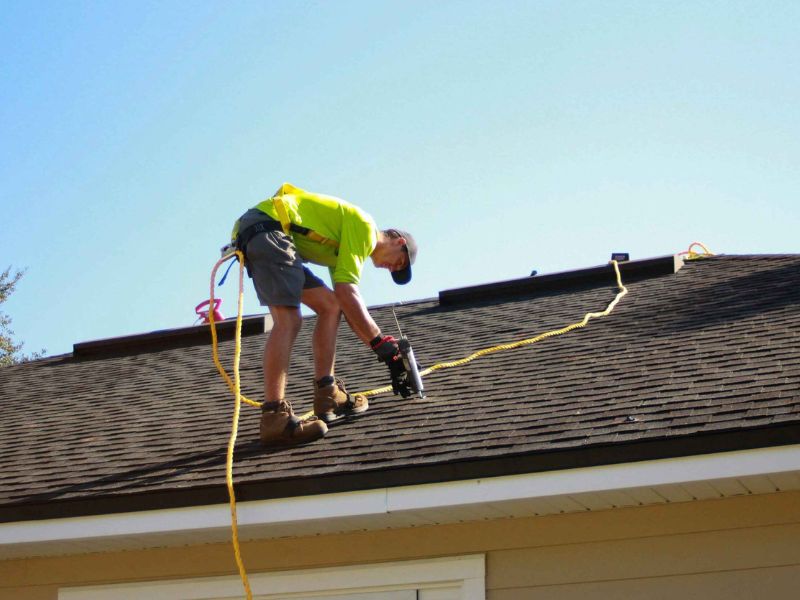
Why “wildfire-ready” is different from “fire-resistant”
“Fire-resistant” sounds good, but in SoCal the bigger threat is ember ignition at vulnerable details: roof edges, valleys, vents, gutters, and laps. A wildfire-ready roof isn’t just about the visible covering—it’s an integrated assembly and accessory package that resists ignition and blocks embers from getting inside the attic.
Key idea: Think system, not product. Pair a Class A roof covering with the right underlayment, metal, vents, and gutter components, and you dramatically cut risk.
What is a Class A roof assembly (plain English)?
A Class A roof is tested to resist severe fire exposure as a complete assembly—not just the shingle or tile by itself. The listing covers the covering + underlayment + deck (and sometimes fasteners). That’s why subbing in a bargain underlayment or skipping a metal detail can quietly void the rating.
Your move: When you pick a product line, confirm “Class A as part of a listed assembly” and install per that listing. If you’re unsure, ask us—we’ll pull the manufacturer documentation and make sure the pieces match.
Start here: Underlayments
Confirm the rest: Vents & Accessories
Roofing options that pair well with wildfire goals
Architectural asphalt shingles (steep-slope)
Choose a Class A listed shingle paired with the manufacturer-specified fire-rated underlayment.
Darker “designer” shingle looks are fine—just keep the assembly intact.
Add continuous metal drip edge, sealed starter, and metal valley components.
Concrete, clay, and composite tile
Tile by itself doesn’t seal embers; the underlayment and battens matter.
Use fire-rated, high-temp underlayment, proper bird-stops/eave closures, and metal flashing at hips/ridges to keep embers from migrating under the field.
Lightweight or composite tiles can reduce structural load on older SoCal framing while maintaining a Class A assembly—verify the listing.
Metal roofing (standing seam, stamped)
Noncombustible and great at shedding embers; watch your underlayment and edge metal specs to preserve the Class A rating.
Seal panel ends at ridges/eaves and use ember-blocking closures.
Low-slope membranes (TPO/PVC/Modified Bitumen)
Many commercial/ADU sections need low-slope solutions. Choose assemblies with documented Class A listings and specify metal edge terminations.
If using coatings for restoration, match primer and system components to the substrate and confirm the listing.
The small parts that make the big difference
Fire-rated underlayments
Underlayments are silent heroes in wildfire zones. A rated sheet resists burn-through and helps maintain the assembly listing.
Prefer high-temp synthetics or self-adhered membranes where the listing allows.
Cover vulnerable areas (valleys, eaves, skylights, penetrations) with self-adhered protection as specified.
Stock it early: Underlayments
Ember-resistant attic vents
Standard vents can act like ember funnels. Use ember-resistant or WUI-style vents with baffles, fine mesh, or intumescent technology designed to disrupt ember entry while maintaining airflow.
Upgrade ridge, hip, and off-ridge vents to ember-resistant models.
Don’t forget gable and soffit vents—match the set so intake and exhaust are both protected.
Maintain balanced NFA (net free area) so the attic still breathes.
See options: Vents & Accessories
Metal drip edge & edge closers
The roof edge is ember ground zero. A continuous metal drip edge, sealed starter course, and closed eaves/bird-stops make it much harder for embers to find combustible gaps.
Use corrosion-resistant aluminum or galvanized steel with hemmed edges.
In tile systems, add eave closures (bird-stops), rake closures, and vented battens where specified.
Pick up the edge kit: Vents & Accessories
Flashings, boots, and sealants
Penetrations are ignition points. Stock noncombustible flashings, high-temp pipe boots, and UV-stable, high-performance sealants (butyl or hybrid poly) designed for SoCal sun.
Pre-cut valley metal (W-valley or open valley designs) reduces install errors.
Use crickets and saddles behind chimneys to keep debris from collecting.
Gutter strategy: noncombustible + cleanable + covered
Gutters packed with dry leaves are an ember’s dream. Switch to a noncombustible gutter (aluminum/steel), add metal gutter guards that shed debris while resisting ember entry, and plan downspout cleanouts for easy maintenance.
Avoid plastic screens that can deform with heat.
If trees overhang the roof, consider sloped guards that encourage debris to slide off.
Upgrade the package: Vents & Accessories
Jobsite checklist: wildfire-ready from tear-off to final
Before tear-off: Verify the Class A assembly listing and lock the exact underlayment and edge metals.
Delivery plan: Stage rooftop/curbside with spares (extra underlayment, valley metal, eave closures).
Deck tightness: Replace damaged sheathing—gaps invite ember intrusion.
Underlayment: Install per temp rating and laps; use self-adhered where specified.
Edges & valleys: Continuous drip edge, sealed starters, metal valleys, and closed rakes/eaves.
Vents: Swap to ember-resistant models across intake and exhaust; keep NFA balanced.
Gutters: Install noncombustible gutters + metal guards; clear debris before sign-off.
Docs: Photograph labels, lot numbers, and critical details for inspection packages and homeowner insurance files.
Need it in one drop? Ask for Same-Day Delivery in Gardena when inventory allows.
For homeowners: realistic expectations & quick wins
No system is fireproof, but a Class A assembly with ember-resistant details tilts the odds in your favor.
Combine the roof upgrade with basic defensible space: trim overhanging limbs, clear gutters/valleys, and store firewood away from the structure.
Ask your contractor to label shutoffs and give you a maintenance plan (seasonal gutter checks, vent screen inspection).
For contractors: fewer callbacks, smoother approvals
Submittal packet ready: Include product data for the covering, underlayment, vents, metals, and the Class A listing.
One manufacturer family when possible: Keeps compatibility clear and warranty questions simple.
Color + performance: In homeowner neighborhoods that value aesthetics, spec cool-rated Class A shingles or tile so you solve both heat and wildfire concerns in one go.
Inventory buffer: During red-flag days, demand spikes. Book materials and accessories with a 10–15% buffer to avoid mid-job shortages.
We can kit all required accessories with your primary materials so your crew isn’t chasing parts:
Frequently asked (quick answers)
Not by themselves. You need the listed assembly—covering, underlayment, and deck—installed per the listing.
If they’re noncombustible and in good shape, often yes. Add metal guards and cleanouts; replace brittle plastic.
They’re essential, but they work best with edge closures, metal drip edge, and clean gutters. Think system.
Wildfire-ready roofing in SoCal is about tight details and the right pairings: a Class A assembly, ember-resistant vents, continuous metal edges, fire-rated underlayment, and noncombustible, protected gutters. Put them together—and stage materials smartly—and you’ve built a roof that’s ready for the season.
Tell us your roof type and preferred look. We’ll match a listed Class A assembly, bundle the ember-resistant accessories, and schedule same-day or next-day delivery in Gardena when available.
Share:
Related Posts
Cool Roof Requirements in Escondido and North County: How to…
(213) 596-8052 15934 S. Figueroa St. Gardena, CA, 92048 Facebook-f X-twitter Linkedin-in Instagram Home Services…
Roof Leak Repair in Gardena and Escondido: What Usually Causes…
(213) 596-8052 15934 S. Figueroa St. Gardena, CA, 92048 Facebook-f X-twitter Linkedin-in Instagram Home Services…
Wildfire-Ready Roofing in SoCal: Class A, Ember-Safe Details
(213) 596-8052 15934 S. Figueroa St. Gardena, CA, 92048 Facebook-f X-twitter Linkedin-in Instagram Home Services…
Get in Touch with Our Roofing Experts Today
Lorem ipsum dolor sit amet, consectetur adipiscing elit. Ut elit tellus, luctus nec ullamcorper mattis, pulvinar dapibus leo.
Whether you’re a homeowner or a contractor, Roof Supply Company delivers dependable, top-grade roofing materials across Gardena and surrounding areas.
Services
Contact Info
- (213) 596-8052
- 15934 S. Figueroa St. Gardena, CA, 92048
- Mon - Fri : 6.00 AM - 4.00 PM
- Sat : 7.00 AM - 11.00 AM
- Sun : Closed
Copyright ©2026 The Roof Supply Company. All Rights Reserved.