Cool Roof Requirements in Escondido and North County: How to Stay Compliant Without Overpaying
- Home
- Roof Leak Repair in Gardena and Escondido
If you have ever stood in your driveway in Escondido around late afternoon and felt the heat radiating off the roof like a toaster oven, you already understand why cool roofs are a thing in Southern California.
A lot of homeowners and property managers only learn about cool roof requirements when they pull a permit for a reroof and the city hits them with an energy code checklist. It can feel annoying at first, especially if you were planning to match an existing color or you just wanted to swap materials and move on.
But here is the good news. In most cases, meeting Title 24 cool roof requirements is not complicated. It is just a matter of choosing the right rated product, understanding whether your roof is considered steep slope or low slope, and keeping the right paperwork handy for inspection.
This guide is written for Escondido and nearby North County areas like San Marcos, Vista, Carlsbad, Oceanside, Encinitas, Rancho Bernardo, and Poway. If you are shopping materials in Gardena and the South Bay too, the same rating system and the same California energy code concepts apply. The details can shift based on your city and building type, so the goal here is to help you ask the right questions and avoid expensive last minute changes.
What a cool roof actually means in plain English
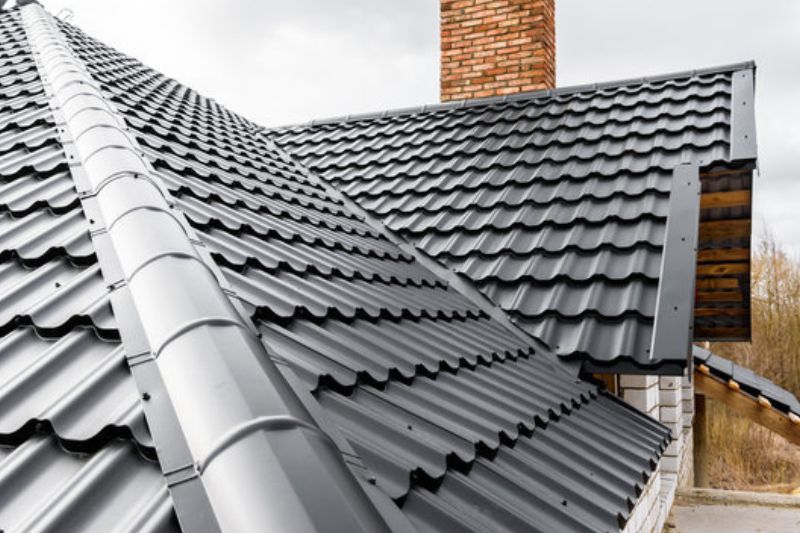
A cool roof is simply a roof surface that reflects more sunlight and releases heat more efficiently than a standard roof surface.
You will usually see cool roof performance described using a few terms:
- Solar reflectance
How much sunlight the roof reflects instead of absorbing - Thermal emittance
How well the roof releases the heat it does absorb - SRI, Solar Reflectance Index
A combined metric that accounts for both reflectance and emittance
California Title 24, Part 6 uses these properties to set minimum performance targets for roofing products in certain situations. And the ratings need to come from a third party system, not a guess or a marketing label.
That third party system is the Cool Roof Rating Council, often called CRRC. Their rated products directory is where manufacturers list the solar reflectance and thermal emittance values for specific products and colors.
Why Escondido feels different than coastal cities
Escondido sits inland, and the weather pattern is different than places closer to the coast.
Coastal areas get more marine influence, more consistent breezes, and fewer extreme hot stretches. Inland North County can run hotter and hold heat longer into the evening, especially during the late summer and early fall. That is one reason cool roof rules show up so often in inland permits.
The other reason is simple: California’s energy code maps the state into climate zones, and requirements often change by zone. Escondido is in California climate zone 10, and that climate zone shows up directly on the City of Escondido reroof checklist.
When cool roof requirements can kick in for a reroof
This is the part people usually care about most.
In many cases, cool roof requirements apply when you are doing a significant reroof, not just a small patch. The City of Escondido’s single family reroofing checklist calls out the requirement when more than fifty percent of the roof area is being replaced.
State guidance also commonly references triggers like “more than fifty percent” or a square footage threshold depending on the project type, with some exceptions.
A simple way to think about it is this:
- Small repair with limited material replacement
Often you can match what you have, but confirm with your permit counter - Full reroof or large section replacement
Expect cool roof compliance to be part of the conversation
Because rules can vary by building type and scope, it is smart to check your jurisdiction’s checklist before you order materials. Escondido makes that easy with its published reroof documents.
Step one: figure out if your roof is steep slope or low slope
Cool roof requirements typically split by slope.
Most residential pitched roofs are steep slope. Most commercial flat roofs and many apartment or mixed use buildings are low slope. The slope category matters because the minimum rated values can be different.
If you are not sure, your roofer usually knows instantly, and many product spec sheets are labeled for steep slope or low slope use.
This is also where your material type starts to matter:
Residential Roofing Shingles are generally steep slope.
Tile roofs can be steep slope and need the right underlayment system, plus proper accessories.
Metal roofing can be steep slope or low slope depending on the panel system and the assembly.
Commercial membranes like TPO Roofing and PVC Roofing are usually low slope.
Roof coatings and spray applied systems are usually low slope solutions, but they need to be matched to the substrate and the condition of the roof.
What Title 24 cares about most: the rated numbers and the paperwork
If you only remember one thing, make it this:
Title 24 wants your roofing product to be CRRC rated, and it wants you to use the rated values that apply to the requirement you are meeting.
The CRRC directory includes initial values and aged values for many products. Aged values reflect how the product performs after exposure over time, and some codes and programs use aged performance as the benchmark.
So when you are choosing a product, avoid this common mistake:
You pick a “cool” product line, but the exact color you chose has a lower rating than the color you assumed was standard.
This happens more often than people think, especially with shingles. The safe move is to verify the exact product and color in CRRC before you commit.
How to choose the right cool roof path for common North County roofs
There is no single best option. There is just the option that fits your roof type, the look you want, and your compliance needs.
Here are practical paths that usually work well.
1) Residential shingles that meet cool roof requirements
If your home has a standard pitched roof, the simplest compliance path is often a cool rated shingle option.
What to look for:
- A CRRC rated listing for the exact shingle and color
• A manufacturer spec sheet that clearly shows the CRRC ID
• Underlayment that matches your climate and the product system
• Proper ventilation components so heat does not get trapped
This is also where supply matters. If you are trying to finish a reroof fast, you want the full system on site, not just the shingles. That means starter, cap, vents, flashings, sealants, and any specialty accessories.
2) Tile roofs that stay compliant and do not create surprises
Tile is common in parts of North County, and it is not just about the tile itself.
Tile systems rely heavily on the underlayment and the detailing. If you are replacing tile, you are also dealing with components like bird stops, flashings, and ridge systems. Many tile colors and finishes can be CRRC rated, but the rating can vary by finish and profile.
Two tips that save people money:
- Verify the rating of the tile finish, not just the brand name
• Do not cut corners on underlayment, because that is your real waterproofing layer under tile
If your home is older, weight can be a factor too. Always make sure the assembly makes sense for your structure.
3) Metal roofing with a smart compliance approach
Metal can be a great solution in hot areas because it can perform well when paired with the right coatings and underlayment, and some systems have excellent cool roof ratings.
Just make sure you are choosing a system that matches your slope and your building type, and confirm the rated values for the finish.
4) Commercial roofs: TPO, PVC, and coatings
For low slope roofs, membranes and coatings often make compliance easier because many white membrane systems already perform strongly in reflectance.
That said, the details still matter:
- TPO and PVC membranes need the full accessory set: fastening, insulation strategy, edge metal, and flashing details
• Coatings need surface prep, compatible primer, and a plan for ponding areas if they exist
• The substrate condition decides whether a coating is smart or whether it is time for a membrane replacement
When people “overpay” on commercial cool roof compliance, it is usually because they rush the material decision without checking the roof condition first. If the existing roof has wet insulation, failing seams, or widespread damage, a coating might not be the best long term move, even if it looks cheaper on day one.
How solar roofs change the conversation
A lot of homeowners in Escondido and North County are thinking about solar, even if they are not installing it this month.
Solar affects cool roof planning in two ways:
- Practical planning
If you are going to add solar later, you may want to choose a roof system that makes solar mounting cleaner and avoids tearing up a new roof. - Code and exceptions
Some code guidance includes exceptions for roof areas covered by certain photovoltaic or solar thermal systems. This does not mean you can ignore cool roof compliance, but it is a real reason to plan the roof and solar layout together instead of treating them like separate projects.
The easiest way to avoid inspection headaches
If you want the smoothest permit and inspection experience, treat compliance like a small job file you build as you go.
Here is what usually helps:
- Keep the CRRC product information for your selected roofing material
• Save the manufacturer data sheet that shows the CRRC ID and rated values
• Keep purchase documentation, especially if your inspector wants to see what was actually used
• If your jurisdiction requires energy forms for the scope, keep those ready as well
Escondido’s published reroof checklist is a helpful starting point because it spells out what they want homeowners and contractors to be aware of on reroof projects.
A quick note on deliveries and jobsite timing
If you have managed a reroof before, you know the pain of missing one small item and losing a day.
A clean way to avoid that is to order materials as a complete kit:
- Primary roofing material
• Underlayment and flashings
• Ridge and intake ventilation components
• Sealants and fasteners
• Repair materials if your deck needs attention
• Solar hardware planning if applicable
If you are using delivery, confirm scheduling early and confirm your drop location. The Roof Supply Company highlights delivery and logistics support for job sites, and also notes delivery radius details and potential restrictions. If you are outside the standard delivery area, a quick call up front saves a lot of back and forth later.
So what should you do next if you are reroofing in Escondido
If you want a simple plan you can follow, here it is:
- Confirm your scope and whether you are crossing the city’s reroof trigger
- Confirm your roof slope category
- Short list materials that fit your roof type
- Verify the exact product and color in CRRC
- Build the full material list so you do not miss accessories
- Keep your compliance documents together for inspection
If you want help choosing materials that fit Title 24 requirements and your roof type, this is exactly the kind of question a good roofing supply team can help with.
Call to action
If you are planning a reroof in Escondido, North County, or Gardena and you want to get your materials lined up without last minute surprises, reach out to The Roof Supply Company with three details:
- The job address
• Your roof type and slope
• The look you are aiming for, like shingle color family, tile style, or membrane type
We can help you narrow to CRRC rated options, build a complete materials list, and plan delivery timing so your project stays on track.
Share:

Related Posts
Cool Roof Requirements in Escondido and North County: How to…
(213) 596-8052 15934 S. Figueroa St. Gardena, CA, 92048 Facebook-f X-twitter Linkedin-in Instagram Home Services…
Roof Leak Repair in Gardena and Escondido: What Usually Causes…
(213) 596-8052 15934 S. Figueroa St. Gardena, CA, 92048 Facebook-f X-twitter Linkedin-in Instagram Home Services…
Wildfire-Ready Roofing in SoCal: Class A, Ember-Safe Details
(213) 596-8052 15934 S. Figueroa St. Gardena, CA, 92048 Facebook-f X-twitter Linkedin-in Instagram Home Services…
Get in Touch with Our Roofing Experts Today
Lorem ipsum dolor sit amet, consectetur adipiscing elit. Ut elit tellus, luctus nec ullamcorper mattis, pulvinar dapibus leo.
Whether you’re a homeowner or a contractor, Roof Supply Company delivers dependable, top-grade roofing materials across Gardena and surrounding areas.
Services
Contact Info
- (213) 596-8052
- 15934 S. Figueroa St. Gardena, CA, 92048
- Mon - Fri : 6.00 AM - 4.00 PM
- Sat : 7.00 AM - 11.00 AM
- Sun : Closed
Copyright ©2026 The Roof Supply Company. All Rights Reserved.