
Title 24 & Cool Roofs in LA: How to Choose CRRC-Rated Shingles, Tiles, and Coatings (Without Slowing Down Your Job)
- Home
- Title 24 & Cool Roofs in LA
If you’ve worked on a reroof anywhere in Los Angeles County lately, you already know one phrase rules the day: Title 24. For homeowners it sounds like “energy efficiency.” For contractors it can sound like “extra research” and “are these shingles actually compliant?”
Here’s the good news: a cool roof that meets Title 24 doesn’t have to complicate your project timeline or your budget. The real key is picking CRRC-rated products (Cool Roof Rating Council) and matching them to your roof type, slope, and color goals—then staging deliveries so your crew never waits on materials. This guide breaks down exactly what to buy, what numbers to look for on spec sheets, and how to avoid common jobsite hiccups in the South Bay and greater LA.
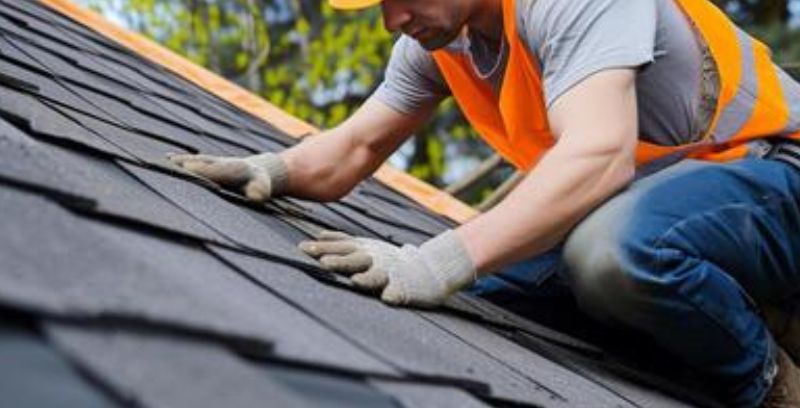
Quick refresher: What “cool roof” actually means
A cool roof is designed to reflect more of the sun’s energy and radiate heat away faster than a standard roof. Two numbers do most of the talking:
Solar Reflectance (SR): How much sunlight the surface bounces back. Higher = cooler.
Thermal Emittance (TE): How effectively the roof emits (releases) absorbed heat.
SRI (Solar Reflectance Index): A combined score that accounts for both SR and TE, letting you compare apples to apples across materials/colors.
Title 24 (California energy code) sets minimum SR/TE (or SRI) requirements by roof slope and climate zone. Greater LA’s heat and sun load make cool roofs both a compliance item and a comfort/longevity upgrade.
Pro Tip: Always verify “CRRC-rated” on the product label or listing. CRRC is the nationally recognized database that energy codes use for verified SR/TE values.
Why it matters in Southern California (beyond passing inspection)
Attic temps drop: Less heat gain means easier HVAC days, especially in one-story bungalows and ADUs.
Shingle life can benefit: Lower surface temps = less thermal stress over time.
Comfort in power peaks: On scorchers, cool roofs help stabilize indoor temps when AC systems are straining.
Resale: Many buyers in LA now ask listing agents if the roof is “cool-rated” or “Title 24 compliant.”
The 3 most common paths to a Title 24 cool roof in LA
Steep-slope asphalt shingles (most homes)
What to choose: Look for CRRC-rated, Title-24-compliant cool shingles, often branded as “cool color” or “reflective” lines. Many manufacturers offer lighter, sun-friendly colors and even some darker tones with reflective granules.
Checklist for compliance:
Confirm CRRC product ID and initial SR/TE (or SRI) for steep-slope.
Match color choice to the listed SR/SRI (not all colors in a series share the same rating).
Pair with the right underlayment (high-temp synthetics are a smart call in the South Bay).
Why contractors like it: Same workflow as standard shingles; no special installation training.
Tile roofs (concrete, clay, and composites)
What to choose: Cool-pigmented tiles or lighter natural finishes that are CRRC-rated. For homes with older framing or HOA color rules, lightweight concrete or composite tiles balance aesthetics, structure, and reflectance.
Ventilation matters: Tile systems can run cooler thanks to vented battens and ridge/soffit ventilation—great for overall performance and shingle/underlayment longevity on adjacent roof planes.
Watchouts: Confirm weight, batten requirements, fastener schedule, and fire rating for LA County.
Low-slope / commercial (TPO, PVC, coatings, mod-bit)
Membranes (TPO/PVC): Most white membranes handily meet cool roof targets. Always verify the CRRC listing for the exact product/color.
Coatings: Acrylics and silicones can restore reflectivity and extend life when the existing roof is a candidate for restoration (vs. replacement). Make sure to check primer compatibility, ponding tolerance, and topcoat SR/TE from CRRC data.
Reading the label: how to verify CRRC values in seconds
Find the CRRC product ID on the shingle/tile/membrane data sheet.
Check the CRRC directory (or the manufacturer’s spec page referencing CRRC).
Confirm initial SR/TE or SRI for your roof slope category (steep vs. low).
If choosing between colors, compare the actual SR/SRI for that color—don’t assume the whole line is the same.
Need a hand? Our team can pull the CRRC listing for your short-list and confirm that it meets Title 24 for your job’s address and slope.
Start here: Product Selection Help
Cool shingles vs. standard shingles: does color kill curb appeal?
Not anymore. Manufacturers have invested heavily in cool color granules, which means you can get slate, weathered wood, or charcoal-style looks with elevated reflectance. Will a deep charcoal reflect like bright white? No—but many “designer darks” still clear Title 24 on steep-slope when paired with the correct product/series.
Pro move for curb appeal: Mix cool shingles with balanced ventilation (continuous ridge + properly sized intake). Better airflow helps keep sheathing cooler without forcing you into ultra-light colors you don’t love.
Underlayments, vents, flashings: the small parts that make a big difference
A cool roof is a system. The reflectivity up top works best when everything below plays nice:
High-temp synthetic underlayment for SoCal heat (especially under tile and dark cool shingles).
Ice & water protection at valleys, eaves, and penetrations; choose products listed for higher service temps.
Proper intake + ridge venting (don’t starve the ridge). Aim for balanced NFA.
Cool-compatible flashings/boots with UV-stable compounds; butyl or high-performance sealants for penetrations.
Starter, drip edge, and valley metal in stock before tear-off to avoid inspection delays.
Stock up the “leak-makers” list before demo. We keep the most-missed accessories on hand so you don’t lose a day.
Browse essentials: Roofing Materials
Compliance without chaos: how to stage a cool-roof job in Gardena
1–2 days before tear-off: Schedule rooftop/curbside delivery for your CRRC-rated primary material + all flashings.
Add a “just-in-case” bundle: One extra square of your chosen color, another box of starters/caps, and an additional roll of underlayment. (South Bay sun is unforgiving; crews burn through underlayment faster than you think.)
Separate coating kits (for low-slope): Include primer, topcoat, fabric (if spec’d), and manufacturer cleaner—skip the return runs.
Avoid color mismatches: Confirm lot numbers for shingles/tiles on delivery; we can label pallets per roof plane if you want.
Save yourself the scramble—book same-day or next-day delivery in Gardena on most cool-rated products.
See options: Delivery FAQs
Homeowner corner: “Will a cool roof really lower my bills?”
Short answer: very likely, yes, especially in single-story homes or homes with big attic volumes. Results depend on color, attic insulation/venting, and HVAC efficiency. Even if your utility savings feel modest month-to-month, a cooler roof can improve comfort, reduce peak AC load, and protect roofing components from extreme heat cycles—value that shows up over the roof’s life.
Bonus: Ask your contractor to add attic baffles and balanced venting during reroof. It’s a small line item that multiplies the benefits of a cool roof.
Contractor corner: 6 ways to prevent callbacks on cool roofs
Match color to rating: Popular “dark cool” colors don’t all rate equally. Verify the exact color’s CRRC values.
Mind the details: Pipe flashings, crickets, and saddle flashings still cause the majority of leaks—stock premium parts.
Vent math: Don’t over-ridge-vent a starved attic. Ensure intake NFA ≥ exhaust NFA.
Underlayment temp rating: Use high-temp synthetics under cool dark colors and tile.
Document compliance: Keep product labels, spec sheets, and CRRC IDs in your job file for inspections.
Stage deliveries: Avoid Friday afternoon shortages—schedule rooftop loads early and add a small buffer of accessories.
When cool coatings make more sense than replacement
For many small warehouses, retail strips, and ADUs with low-slope sections, a CRRC-rated coating system can restore reflectivity and extend service life when the substrate is sound:
Choose by condition, not price alone: If seams are failing or there’s widespread wet insulation, a membrane (TPO/PVC) may be the smarter play.
Primer is not optional: Bond is king. Match primer to the existing surface (mod-bit, metal, single-ply, or aged coating).
Ponding tolerance: If ponding occurs, check coating specs for standing water performance—not all acrylics like puddles.
Documentation: Photograph prep, primer, fabric reinforcement, and mil thickness for warranty and future buyers.
We stock coatings, primers, fabric, rollers, and spray accessories so you can complete the job with one delivery drop.
Common myths we hear at the counter (and what actually happens)
“Cool roofs only come in white.”
Not anymore. Plenty of cool-rated architectural shingle colors look like traditional grays/browns with reflective granules.“Dark cool shingles won’t pass.”
Many do—depends on the exact line and color. Always verify the CRRC listing for that color.“Coatings are a band-aid.”
Applied over the right substrate with proper prep, coatings can be a code-compliant, warrantable path that adds years and boosts reflectivity.
Ready to spec? Here’s the fast path
Send us the address, slope, and preferred look (shingle color family, tile style, or membrane/coating).
We’ll confirm CRRC-rated options that align with Title 24 for your job.
We’ll stage a same-day or next-day delivery in Gardena with all accessories—underlayment, vents, flashings, and sealants—so your crew stays moving.
Start a quick list here: Roofing Materials
Plan your load-in: Delivery FAQs
Ask a product expert: Product Selection Help
Mini spec sheets: what to look for by roof type
Steep-slope shingles (architectural/cool color):
CRRC initial SR ≥ code minimum (check local requirement), SRI noted
High-temp synthetic underlayment
Matching starter/cap and manufacturer-approved ridge vent
Class A assembly for LA County
Tile (concrete/clay/composite):
CRRC-rated color/finish and weight class within framing limits
Battens/vented battens as specified
Cool-compatible underlayment; check exposure temp
Ridge, hip, and eave accessories stocked
Low-slope membranes (TPO/PVC):
CRRC-listed white (or cool color where available)
Fastener system and insulation per wind uplift needs
Flashing kits for penetrations, curbs, and drains
Coatings:
Substrate-specific primer and fabric where needed
CRRC-listed topcoat with SR/TE shown
Ponding-area plan (spot slope build-up or compatible product)
Target mil thickness and wet/dry film checks
Cool roofs aren’t a headache when you match CRRC-rated products to Title 24 requirements and stage deliveries the smart way. Whether it’s cool shingles on a Torrance bungalow, lightweight tile in Redondo, or a reflective coating on a Gardena warehouse, you’ve got plenty of compliant options that look great and perform in our climate.
Tell us your roof type, slope, and preferred look—we’ll pull the CRRC data and get materials to your jobsite fast.
Share:

Related Posts
Roofing Materials Delivery in Gardena CA Jobsite Checklist
If you live and work in Southern California long enough, you start to notice something…
Roof Leak Repair in Gardena CA: Common Leak Spots and…
If you live and work in Southern California long enough, you start to notice something…
TPO vs PVC Commercial Roofing in Gardena CA
If you live and work in Southern California long enough, you start to notice something…
Get in Touch with Our Roofing Experts Today
Lorem ipsum dolor sit amet, consectetur adipiscing elit. Ut elit tellus, luctus nec ullamcorper mattis, pulvinar dapibus leo.
Whether you’re a homeowner or a contractor, Roof Supply Company delivers dependable, top-grade roofing materials across Gardena and surrounding areas.
Services
Contact Info
- (213) 596-8052
- 15934 S. Figueroa St. Gardena, CA, 92048
- Mon - Fri : 6.00 AM - 4.00 PM
- Sat : 7.00 AM - 11.00 AM
- Sun : Closed
Copyright ©2026 The Roof Supply Company. All Rights Reserved.