
Roof Leak Repair in Gardena and Escondido: What Usually Causes Leaks and the Materials You Actually Need
- Home
- Roof Leak Repair in Gardena and Escondido
If you live or work around Gardena, you already know our weather loves to play mind games. Most of the year it feels calm, then we get a week of heavy rain, a Santa Ana wind event, or that coastal marine layer that keeps everything a little damp longer than it should. Down in Escondido, the heat swings are bigger and the sun can cook roofing materials faster, then a storm hits and suddenly a “small spot” turns into a real leak.
The frustrating part is this: a lot of roof leaks look the same inside your home. A brown stain. A drip near a light. A wet corner of drywall. But up on the roof, the causes can be totally different. Flashing might be cracked. A shingle might be lifted. A pipe boot might be worn out. Tile might be shifted. A low slope seam might be separating. Or water might be backing up because a gutter is clogged and overflowing where it should not.
This guide is meant to make it simple. Not contractor jargon. Not overcomplicated. Just a practical breakdown of what usually causes leaks in Southern California and a clear materials checklist so you can fix it the right way the first time.
If you are sourcing supplies right now, these pages will help you grab what you need quickly: Roof Leak Repair Supplies, Roofing Shingles, Roofing Material Delivery, Solar Roof Supplies, and Construction Materials.
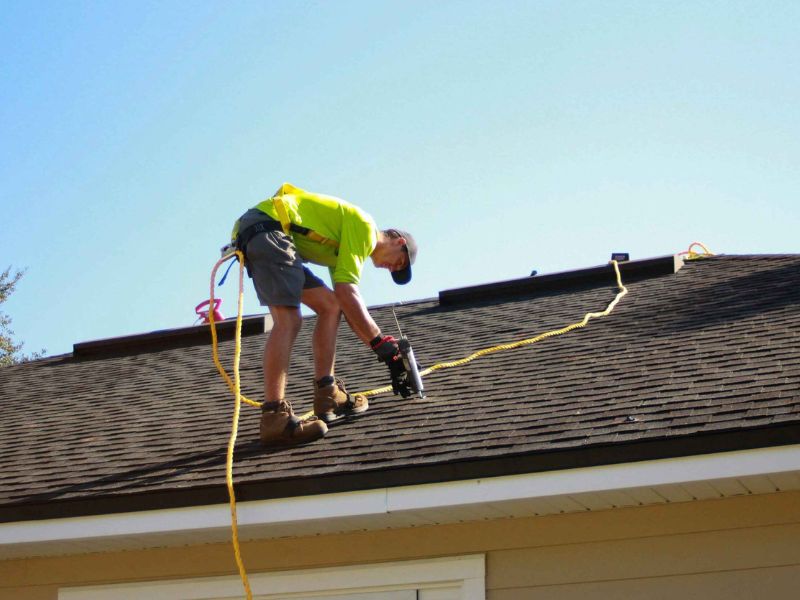
Why roofs leak so often in our area
A roof does not usually fail in one dramatic moment. It fails in small, annoying steps.
- Sun and UV break down exposed rubber and sealants faster than people expect
- Wind finds the weak spot, then keeps pulling at it
- Debris builds up in valleys and gutters and forces water to go sideways
- Flashing separates just enough to let water sneak in
- Old underlayment loses its ability to block moisture
- Quick repairs done with the wrong product hold for a month, then fail again
And the most common leak sources are not the big obvious field areas. They are the details. Penetrations. Edges. Transitions. That is why you will hear roof pros say “water is lazy but persistent.” It will take the easiest path, and it will keep coming back until the path is blocked correctly.
Even The Roof Supply Company’s own leak repair page calls out the usual suspects: cracked flashing, missing shingles, clogged gutters, and compromised underlayment.
First, a quick reality check before you buy anything
Before you load up a cart with sealant and patch kits, do two quick checks. This saves money and prevents repeat leaks.
1) Look for where the water is entering, not where it is showing
A stain on a ceiling might be several feet away from the actual entry point. Water can travel along decking, rafters, or insulation before it shows up inside.
2) Try to identify your roof type
Materials and repair methods change depending on what you have:
- Asphalt shingles
- Tile
- Metal
- Low slope membrane or coating
- Mixed roofs, like a main pitched roof with a patio cover or flat section
If you are not sure what you have, taking a few photos helps, especially around the leak area, the nearest vent pipe, and any wall transitions.
The top 7 roof leak causes in Gardena and Escondido
1) Flashing failures at walls and chimneys
This is one of the biggest leak sources. Flashing is supposed to create a watertight transition where the roof meets something else. Over time, flashing can crack, separate, or loosen, and water finds that gap fast.
Materials that commonly solve this correctly: step flashing, counter flashing, compatible sealant, and sometimes new underlayment at the transition.
2) Pipe boots that are dried out or cracked
Those plumbing vent pipes sticking up through the roof are common leak points. The rubber collar can crack from UV exposure and temperature swings. Once it splits, water drops right into the opening.
Materials: a replacement boot that fits your pipe size, plus the right sealant and fasteners.
3) Missing, lifted, or broken shingles
Wind, age, or poor installation can cause shingles to lift. Once they lift, water pushes underneath. Even a small lift can create a steady leak during a storm.
Materials: matching shingles, roofing nails, starter or adhesive as needed, and underlayment if the deck area needs reinforcement.
If you need matching shingle supplies, start here: Roofing Shingles.
4) Valley issues from debris buildup
Valleys collect water. They also collect leaves and grit. When debris builds up, water gets forced under the roofing material or over a flashing edge.
Materials: valley metal if needed, compatible underlayment, and the right sealant for the roof type.
5) Clogged gutters and edge overflow
This one is sneaky. You can have a “roof leak” that is actually gutter overflow. Water backs up and enters behind fascia or under the drip edge.
Materials: gutter cleaning is the first fix. If there is damage, you may need drip edge, edge flashing, and repair underlayment.
6) Low slope seam separation or coating wear
A lot of homes and commercial buildings have low slope sections. Over time, seams can separate or coatings can thin out, especially around drains and scuppers.
Materials: membrane repair tape or patches, primer if required, and coating products that match the existing system.
7) Solar related penetrations or worn flashing
Solar is awesome, but it adds roof penetrations and mounting hardware. If flashing was not done right, or if an older roof is now carrying solar, small leaks can develop around mounts.
If you are working on solar ready components and accessories, this is a good starting point: Solar Roof Supplies.
Materials checklist for a proper roof leak repair
Here is the part most homeowners and even newer contractors appreciate: a clean checklist. You will not need every item every time, but this helps you shop smarter.
Core leak repair supplies
- Roof patch kit or repair fabric appropriate for your roof type
- High quality roofing sealant compatible with shingles, tile, metal, or low slope systems
- Flashing materials: step flashing, wall flashing, drip edge, valley metal as needed
- Underlayment for localized replacement if water got underneath the surface material
- Fasteners: roofing nails, screws, or specialty fasteners depending on roof type
- Pipe boots or vent flashing components if the leak is near plumbing vents
A good place to start for common repair materials is here: Roof Leak Repair Supplies.
If the leak is around a wall or chimney
- Step flashing pieces sized correctly
- Counter flashing or termination bar depending on the wall finish
- Sealant rated for exterior UV and temperature swings
- Underlayment for the transition area
If the leak is tile related
Tile leaks are often underlayment issues, not the tile itself. A cracked tile can matter, but most of the time the tile shifts and water gets underneath.
You may need:
- Replacement tiles to match profile
- Tile fasteners
- Underlayment patch or replacement area
- Bird stop or closure pieces at the edge if wind is pushing water upward
If the leak is on a low slope section
- Compatible repair primer if required by the system
- Reinforcing fabric or seam tape
- Coating or patch material that matches the existing roof coating or membrane type
- Drain and scupper accessories if the leak is near drainage points
When a quick patch is fine and when it will waste your time
Sometimes you truly need a temporary patch. Like when rain is coming tonight and you just need it to stop dripping until a full repair can be done.
A temporary patch is usually reasonable when:
- You can clearly see the entry point
- The surrounding materials are still in decent condition
- You plan to do a real fix soon
A temporary patch usually becomes a money pit when:
- The roof is old and brittle across large areas
- The leak is showing up in multiple spots
- You see soft decking or sagging
- There is moldy insulation or repeated saturation
- The problem is a system issue, like bad flashing design or widespread underlayment failure
In those situations, buying a little bit of patch and hoping for the best can turn into buying patch every season.
A quick note about Title 24 and cool roof products in California
A lot of people think Title 24 only matters when you build a new home. In reality, California energy code rules can also apply during reroofing or alterations depending on building type, slope, and climate zone. Requirements often reference cool roof performance values like solar reflectance and thermal emittance, and California commonly relies on CRRC rated roofing products for compliance.
Here is why it matters for leak repairs:
If your “repair” turns into a larger replacement area, you might end up choosing materials that need to align with local energy requirements. If you are unsure, the safest move is to confirm the climate zone and product ratings before you commit to a full reroof purchase.
Helpful free resources you can cite in your own planning:
- Cool Roof Rating Council overview of California Title 24 and CRRC rated products
- California Energy Commission climate zone tool and maps for verifying the jobsite zone
For Escondido specifically, Energy Code Ace lists Escondido zip codes like 92025 as Climate Zone 10, which can affect what is considered compliant depending on the roof type and scope of work.
How to avoid the most common “we fixed it but it came back” mistake
This is the mistake I see constantly: people treat the symptom and ignore the pathway.
Example: You see a drip near a vent pipe. You smear sealant around the pipe. The drip stops for a month. Then it comes back because the boot itself is cracked and the water is entering under the flange, not where you sealed.
A better approach is:
- Identify the component that failed
- Replace or properly reinforce that component
- Make sure water is directed back onto the roof surface the way it was designed to be
That is why having the right flashing, underlayment, and compatible sealants matters more than just buying “a tube of something.”
Getting materials to your job fast in Gardena, Escondido, and surrounding areas
If you are a contractor, delays are expensive. If you are a homeowner, delays usually mean buckets, wet drywall, and stress.
If you want to keep it simple, the easiest move is to bundle your repair materials and schedule delivery when you can, especially if you need more than one category of supplies.
This page breaks down delivery support: Roofing Material Delivery.
And if your project involves decking, sheathing, or structural items, this is helpful too: Construction Materials.
Frequently asked (quick answers)
Flashing failures, missing shingles, clogged gutters, and underlayment breakdown are some of the most common, especially after wind and heavy rain.
Yes. Patch kits, flashing rolls, sealants, and underlayment sheets are commonly used for fast temporary or permanent repairs.
Homeowners can buy directly as well as contractors.
Delivery is offered throughout Gardena and nearby cities, and you can confirm availability for your specific location.
Not automatically. Leaks usually come from flashing details, aging roofs under solar, or improper sealing. Using solar compatible roofing components and correct flashing details matters.
If you are dealing with a leak right now, do not overthink it. Start with photos, identify the roof type, and build a small, correct materials list based on the real leak source.
You can start with Roof Leak Repair Supplies, add any matching materials you need from Roofing Shingles, and schedule Roofing Material Delivery if you want it dropped at your jobsite.
If you want help narrowing it down fast, reach out here: Contact The Roof Supply Company.
Share:
Recent Posts
Photo Gallery



Related Posts
Architectural Shingles vs 3 Tab Shingles in Escondido CA
If you live and work in Southern California long enough, you start to notice something…
Solar Roof Prep in Gardena CA: What to Fix First
If you live and work in Southern California long enough, you start to notice something…
Cool Roof Requirements in Gardena CA Title 24 Guide
If you live and work in Southern California long enough, you start to notice something…
Get in Touch with Our Roofing Experts Today
Lorem ipsum dolor sit amet, consectetur adipiscing elit. Ut elit tellus, luctus nec ullamcorper mattis, pulvinar dapibus leo.
Whether you’re a homeowner or a contractor, Roof Supply Company delivers dependable, top-grade roofing materials across Gardena and surrounding areas.
Services
Contact Info
- (213) 596-8052
- 15934 S. Figueroa St. Gardena, CA, 92048
- Mon - Fri : 6.00 AM - 4.00 PM
- Sat : 7.00 AM - 11.00 AM
- Sun : Closed
Copyright ©2026 The Roof Supply Company. All Rights Reserved.