Roofing Materials Delivery in Gardena CA: How to Prep for a Smooth Jobsite Drop Off
- Home
- Roofing Materials Delivery in Gardena CA
When you’ve worked a roof job before, you know the roof is rarely the only challenge.
A late delivery can delay the entire crew. Bags of shingles tossed carelessly can block the driveway, alienate your neighbor, and create a hazard. But the worst deliveries are the ones that miss the small, specialty items needed to finish the roof. No flashing, no pipe boots, and no correct fasteners can leave your job site dangling.
This guide aims to keep your day simple.
It is written for Gardena and South Bay homeowners and contractors who want their roofing materials delivered, staged, and ready to install. And if you are preparing to order, be sure to begin with our Roofing Material Delivery and Deliveries pages. You may also want to review Roofing Materials and Construction Materials or contact us here if you need support.
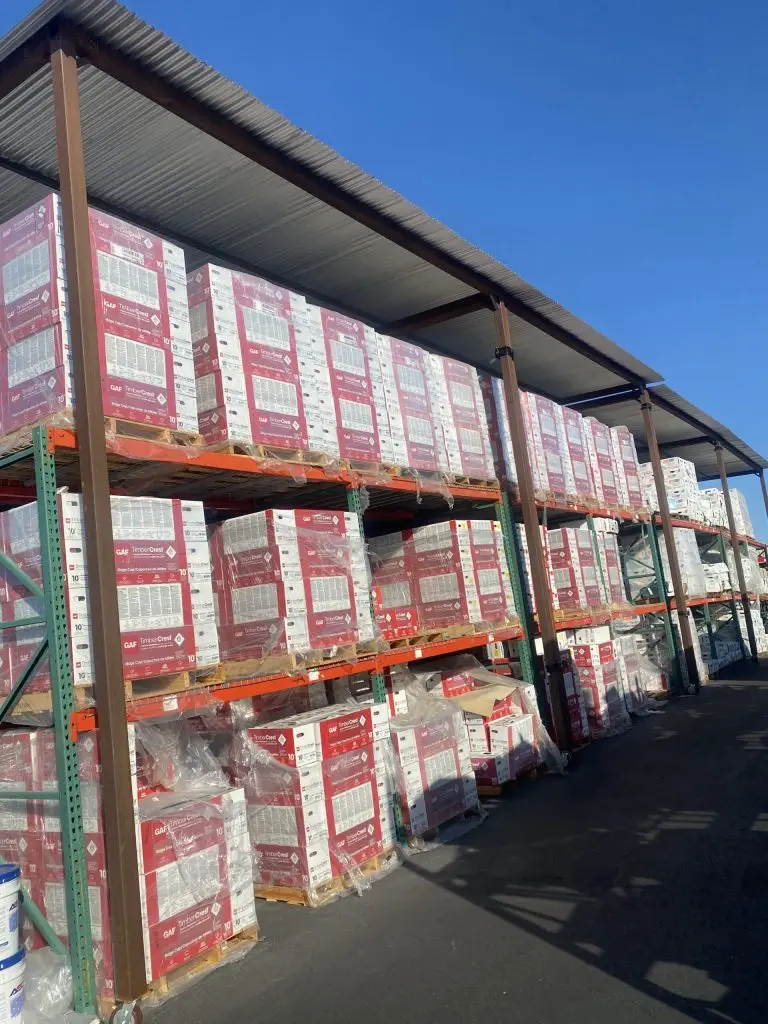
Why delivery planning matters more than you think
Roofing is a systematic process.
Once tear-off begins, momentum matters. If the underlayment is installed but the edge metal is late, your crew is waiting. Plywood can leave your roof exposed to the elements for an unplanned day or two. And a shingle color change can waste an entire day chasing down a substitute.
A thoughtful delivery plan can prevent many of these downstream challenges.
It also protects your investment and jobsite safety, too.
Step 1: Order materials as a system, not just the main product
Most delivery issues stem from list-making.
A customer orders the big ticket item but overlooks the supporting products.
Before scheduling your delivery, build out your list to include:
Underlayment
Wall, chimney, and penetration flashing
Pipe boots
Drip edge or edge metal
Starter and ridge cap (for shingles)
Vents and related components
Sealants and fasteners compatible with the system
Repairs or replacements for any discovered conditions
If your project requires decking or framing repairs, be sure to add in related construction materials so you are not doubling back. It can streamline your process considerably to have materials listed by roofing system rather than a generic “shingles” category.
Before confirming the delivery request, you should also double-check your Roofing Materials list for accuracy. If your project began as a leak repair and you know you’ll need to order quickly, see our Roof Leak Repair page.
Step 2: Choose a drop zone that won’t lead to clashes
This is your reminder to think like a homeowner.
When planning the drop zone, consider:
Proximity to the work zone (don’t make your crew carry materials across the yard)
Stability and room for pallets
The availability of doors, gates, or other entry points
The potential to damage (or be damaged by) other objects
The impact on traffic patterns
In Gardena, drop zones can include the driveway, a side yard, a carport, or a space along the curb. But the area must be large enough to accommodate the delivery vehicle. If the street is the only option, confirm that it is legal to unload there.
You can also make the jobsite safer by reminding your neighbors to clear the space the day before. Vacant homes, vehicles, and other objects can create obstruction hazards. The same goes for your own cars. Clearing the curb and driveway ahead of time can help avoid last-minute scrambling.
Step 3: Prepare access before the vehicle arrives
A few minutes’ walk outside your door can save hours of frustration.
Consider the following factors as you review the space:
Clearance required for the truck to enter or exit
Tree branches or other overhead hazards
Gate widths and sharp turns
Soft ground or exposed roots that can shift under pallets
Objects in the driveway or on the curb
You also want to consider the ground surface bearing the brunt of the delivery.
For example, if you have pavers or other decorative concrete and do not want tire marks or pallet indentations, ask the delivery team about options for protecting the surface.
Step 4: Consider if permits are part of your project
Most often, permitting falls outside the delivery scope. However, you may need to apply for permits if the project involves extensive repairs or upgrades.
According to the City of Gardena, applications can be sent via email to the Building and Safety Division. The website notes that files should be in PDF format.
But you do not need to research and understand permit regulations. The point of mentioning them is to remind you that you should identify and apply for permits well in advance of the delivery date if your project requires them.
Step 5: Treat unloading as the most hazardous time of the day
This is a public works message.
Pallets, bundles, and rolls of roofing are exceptionally heavy. Forklifts and other lifting equipment are powerful. Crews and bystanders are at risk when large groups attempt to rush the unloading process.
The OSHA has guidance on forklift safety during loading and unloading, including warnings about serious injuries. Their recommendations include training for workers and caution when maneuvering near large materials. As a homeowner, you should:
Keep children and pets inside the house
Keep away from the jobsite during unloading
Allow the trained equipment operator to control the load
Avoid climbing on or toppling materials
Give the crew adequate space to work
And finally, do not feel rushed to unload just because the crew has arrived. It is not worth the risk.
Step 6: Conduct a delivery inspection right away
This step prevents the panic-inducing discovery later in the day that the wrong materials were delivered.
Before leaving the jobsite, make sure that:
Bundle counts match the expected numbers
Colors are consistent with your order
Underlayment and accessory boxes are present
Rolls and bundles are not damaged
Then compare your findings to the delivery paperwork. If there is a discrepancy, you should capture a photo for reference and report the issue to your supplier. This step is most effective when done shortly after unloading while the experience is still fresh.
Step 7: Stage the site so your crew isn’t searching for parts
Roof jobs are complex enough without searching for the right accessories.
Two staging tips:
Keep small items grouped together
Store day one materials separately so they are not buried by later deliveries
This is particularly important with shingles. Starter, ridge, vents, and flashing should all be within easy reach when the crew needs them.
You also want to make sure that the materials are staged in accordance with the manufacturer’s guidelines. Some items are sensitive to damp conditions or should not be exposed to heat.
Step 8: Plan for tear off waste removal in advance
Roofing generates trash, even if the crew is tidy. Shingles, old underlayment, nails, and damaged materials should all be removed. You may need to plan where the dumpster will be placed and how debris will be removed from the roof. Consider:
Protection details
Where nails or other trash will be collected
Clearing the way for people or vehicles
Storing packaging waste near the dumpster
Your crew and the neighbors will thank you for taking the time to plan.
A short delivery guide for Gardena homeowners
If you are looking for a short list of things to do, here is a summary of the most crucial steps:
Clear the curb and driveway
Designate a drop zone
Protect surfaces
Keep your children and pets away from the jobsite
Count bundles and confirm product colors and types match
Store accessory items in a dry, secure place
Keep the crew’s path open
Also, make sure you have a printed copy of your order confirmation so you have it on hand if needed.
A short delivery guide for South Bay contractors
Here is a list of the most crucial things for you to do:
Share a photo and note about your jobsite and delivery zone
Confirm access and clearance for the truck
Order materials as a system rather than a single material
Group accessories together
Complete a delivery inspection
Identify an alternate drop zone in case of street parking limitations
Before the delivery date arrives, make sure your team knows who is supposed to receive the materials. It can save you from multiple phone calls when the truck pulls up.
Verify installers for jobs that include installation
If the delivery is part of a larger project that includes installation, you can verify a contractor or roof installer with CSLB. The site offers a contractor license check and home improvement salesperson registration verification. This is a useful resource to have on hand if you are hiring someone for your roofing project.
Closing
The roof delivery can be the calmest part of the day if you know what to do. Completing these eight steps before the truck arrives can ease the burden on your team and simplify the jobsite for you. After all, a calm day on the roof is a good day for everyone.
To schedule a delivery in Gardena or the South Bay, begin with our Roofing Material Delivery and Deliveries pages. And if you need help determining the materials you need for a roof, contact us here before beginning the project.
Share:

Related Posts
Commercial Roof Coatings in Gardena CA: Silicone vs Acrylic
(213) 596-8052 15934 S. Figueroa St. Gardena, CA, 92048 Facebook-f X-twitter Linkedin-in Instagram Home Services…
Shingles vs Tile vs Metal Roofing in Gardena CA
(213) 596-8052 15934 S. Figueroa St. Gardena, CA, 92048 Facebook-f X-twitter Linkedin-in Instagram Home Services…
Title 24 & Cool Roofs in LA: How to Choose…
(213) 596-8052 15934 S. Figueroa St. Gardena, CA, 92048 Facebook-f X-twitter Linkedin-in Instagram Home Services…
Get in Touch with Our Roofing Experts Today
Lorem ipsum dolor sit amet, consectetur adipiscing elit. Ut elit tellus, luctus nec ullamcorper mattis, pulvinar dapibus leo.
Whether you’re a homeowner or a contractor, Roof Supply Company delivers dependable, top-grade roofing materials across Gardena and surrounding areas.
Services
Contact Info
- (213) 596-8052
- 15934 S. Figueroa St. Gardena, CA, 92048
- Mon - Fri : 6.00 AM - 4.00 PM
- Sat : 7.00 AM - 11.00 AM
- Sun : Closed
Copyright ©2026 The Roof Supply Company. All Rights Reserved.