
Solar Roof Prep in Gardena CA: What to Fix Before Installing Solar Panels
- Home
- What to Fix Before Installing Solar Panels
A lot of people think of solar as a separate upgrade. In real life, it is tied closely to the roof.
Once panels are installed, roof access becomes more complicated. Future repairs can take longer. In some cases, the panels may need to come off before roofing work can happen.
That is why roof prep matters so much.
A solid roof gives the solar system a better base. It also lowers the chance of leaks, repeat repairs, and expensive surprises down the road.
The U S Department of Energy tells homeowners to consider roof age, condition, size, shape, slope, and shade before moving forward with rooftop solar.
That is a simple but important point. If the roof is not ready, the solar project is not ready either.
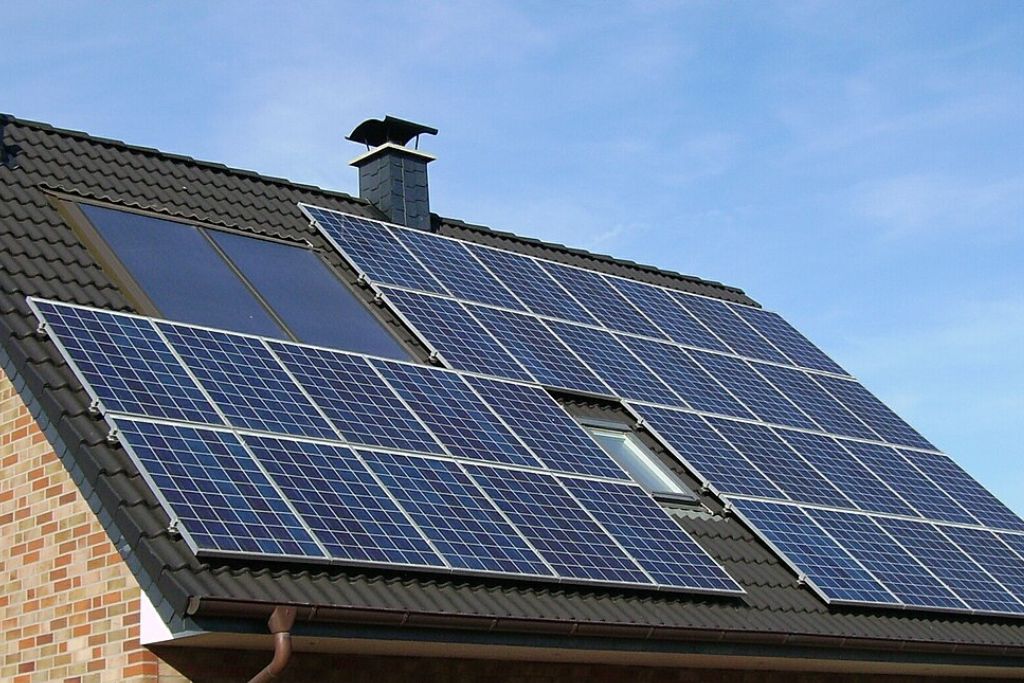
Why roof prep matters before solar
The biggest mistake homeowners make is treating solar as a separate project from roofing.
It is not.
If solar panels are installed over a roof that is already aging, every future roof repair becomes more complicated. You may need panels removed just to reach the problem area. You may have to coordinate two trades instead of one. And if the issue started before the solar installation, it can be harder to prove where the responsibility sits.
The U S Department of Energy tells homeowners to consider the age of the roof and how long until it will need replacement when deciding if rooftop solar is the right fit. It also notes that roof size, roof shape, slope, and shade can affect whether a home is suitable for solar.
That is the simple truth.
If your roof will not last as long as the solar system, it is usually smarter to handle the roof first.
Start by looking at roof age
Roof age is one of the first things to think about.
You may not know the exact year the roof was installed, and that is okay. Most roofs show signs when they are getting tired.
Take a look for these clues:
- Curling or brittle shingles
- Cracked or slipped tiles
- Granules collecting in gutters
- Ceiling stains inside the home
- Soft spots on the roof
- Sagging lines or uneven areas
- Old patch jobs that stand out from the rest of the roof
A newer roof with no leak history may be ready for solar with only minor prep. An older roof with visible wear may need repairs or full replacement first.
This is where Roofing Materials and Roofing Shingles should be linked naturally inside the blog.
Leaks should be handled first
An active roof leak is a clear sign that the roof needs attention before solar goes up.
Even a small leak matters. Water can travel farther than people think, and solar work adds more movement and more roof activity during installation.
Common leak areas to check include:
- Pipe boots
- Valleys
- Skylights
- Chimneys
- Roof vents
- Flashing at walls
- Low slope sections
- Old penetrations from antennas or satellite mounts
If you have a stain on the ceiling, a musty smell after rain, or damp insulation in the attic, fix the source first.
That is why Roof Leak Repair is such an important internal link for this topic. A proper repair can include flashing, sealants, underlayment patches, boots, and other waterproofing materials that keep the roof ready for the next step.
Flashing matters more than people think
lashing is one of the most important parts of solar roof prep.
Every solar mount needs to be waterproofed correctly. On a shingle roof, flashing should be layered in with the shingles. On a tile roof, the installer has to protect the underlayment and plan the details carefully. On a metal roof, the mounting method must match the roof profile.
One thing is always true.
Sealant alone is not enough.
Sealant helps finish the detail, but flashing is what actually guides water away from the opening. When the flashing plan is weak, leaks become much more likely.
So before solar goes up, ask how the mounts will be flashed and what products will be used.
Tile roofs need a careful check
Tile roofs are common in Southern California, and they often look great in Gardena neighborhoods. They can also work well with solar, but only when the roof underneath is in good shape.
Many homeowners do not realize that tile is not the main waterproofing layer. The underlayment below the tile is what really protects the house from water.
That means tile roofs deserve a close look before solar work begins.
Check these areas first:
- Broken or slipped tiles
- Valley areas
- Roof to wall transitions
- Flashing around penetrations
- Underlayment age
- Spare tile availability
If the tile roof already has a leak history, it is often smarter to address that now rather than after the panels are installed.
Shingle roofs should be treated like a full system
Shingle roofs are a popular choice for solar because they are common and fairly straightforward to work with.
Still, a shingle roof should not be judged by the field shingles alone.
A healthy shingle roof also depends on:
- Underlayment
- Starter
- Ridge pieces
- Ventilation
- Pipe boots
- Flashing
- Sound roof decking
If the shingles are nearing the end of their life, reroofing before solar often makes the most sense. It is easier to install panels over a fresh, dependable roof than to work around an old one that may need replacement in a few years.
This is where Roofing Shingles and Roofing Materials should both be linked.
Low slope sections need extra planning
Some Gardena homes have low slope roof sections over garages, additions, or patio covers. These areas often need a different approach than the main roof.
Low slope roofing depends heavily on seams, drainage, and terminations. Water does not run off as quickly, so weak details can show up fast once rain arrives.
Before putting solar on a low slope section, ask a few basic questions:
- Does water pond after rain
- Are the drains or scuppers clear
- Are there old repairs already in place
- Does the membrane still feel solid
- Are the planned mount details compatible with that roof type
If the answer raises concerns, solve those first.
Shade and layout are worth checking too
Roof prep is not only about leaks and materials. Layout matters as well.
The Department of Energy notes that heavy shade, roof shape, roof size, and slope all affect whether a home is a good candidate for rooftop solar. It also explains that south facing roofs often work especially well, though other layouts can still be suitable.
Walk around your home and look at:
- Large trees
- Neighboring structures
- Chimneys
- Skylights
- Roof vents
- Any areas that stay shaded for long periods
This step helps avoid awkward panel placement and helps the system perform better once it is installed.
Permits and inspections should not be an afterthought
Solar projects come with paperwork, and that is normal.
The U S Department of Energy explains that permits and inspections help make sure rooftop solar systems meet local building, electrical, and fire code requirements before they begin operating.
The City of Gardena also explains that permit applications can be submitted by email, documents must be sent in PDF format, and building related work is reviewed for code compliance.
So if your roof prep turns into a bigger repair or reroof, check the permit path early. That one step can save a lot of frustration later.
Work with qualified professionals
Roofing and solar both involve technical work. They also involve safety risks, which is another reason to be selective.
The Department of Energy recommends using qualified professionals and points to NABCEP as an industry standard certification for solar professionals.
For roofing or general contractor verification in California, homeowners can use the CSLB license check tool.
That is a small step, but it can help you avoid a bigger problem.
Build the material list like a system
One of the easiest ways to create delays is to order only the obvious items.
A solar roof prep project usually needs more than just replacement shingles or a little sealant. It should be planned as a complete roofing system.
A practical material list may include:
- Replacement shingles or tile
- Underlayment
- Flashing
- Pipe boots
- Compatible sealants
- Fasteners
- Ventilation parts
- Deck repair materials if needed
- Waterproofing accessories tied to solar prep
- Repair materials for any known problem areas
If the roof deck needs repair, Construction Materials becomes an important internal link too.
And when the order is complete, Roofing Material Delivery helps make sure the materials arrive together so the project does not stall in the middle.
A simple Gardena solar prep checklist
Here is a simple way to pull everything together.
Before solar installation, make sure you:
- Check roof age and overall condition
- Look for leaks or water stains
- Inspect flashing, valleys, vents, and pipe boots
- Decide whether repair or replacement should happen first
- Review shade, roof shape, and panel placement
- Ask how the mounts will be flashed
- Confirm the materials match the roof type
- Check permit requirements early
- Verify contractor licensing
- Plan delivery before the work starts
FAQ
Should I replace my roof before solar in Gardena
If the roof is old, leaking, or near the end of its life, replacing it first is often the smarter move. The Department of Energy recommends considering roof age and expected remaining life before going solar.
Can solar panels cause leaks
Solar panels themselves are not usually the problem. Leaks usually come from poor flashing, weak installation details, or a roof that already had issues before the panels were added.
What should be repaired before solar
Start with leaks, weak flashing, worn underlayment, damaged shingles or tile, soft decking, and any other waterproofing problem that could get worse later.
Does Gardena require permits for solar or roofing work
Permit requirements depend on scope, but the City of Gardena provides permit information for building related work and explains that applications are reviewed for code compliance.
What if I only have a small leak
Even a small leak should be fixed first. Once solar is installed, roof access becomes harder and repairs can get more complicated.
Quick close
Solar can be a great fit for Gardena homes, but the smartest solar projects start with a roof that is ready.
Take a close look at roof age. Fix leaks first. Review flashing details carefully. Make sure the underlayment and roof surface still have life left. Then build the material order as a full system and line up delivery before work begins.
If you want help getting the roof ready before panels go up, start with Solar Roofs for solar related roofing materials, use Roof Leak Repair if there are active water issues, and use Roofing Materials or Roofing Shingles if the roof needs repair or replacement first. When the order is ready, schedule Roofing Material Delivery so the project starts clean and stays on track.
Share:
Recent Posts
Photo Gallery

Related Posts
Architectural Shingles vs 3 Tab Shingles in Escondido CA
If you live and work in Southern California long enough, you start to notice something…
Solar Roof Prep in Gardena CA: What to Fix First
If you live and work in Southern California long enough, you start to notice something…
Cool Roof Requirements in Gardena CA Title 24 Guide
If you live and work in Southern California long enough, you start to notice something…
Get in Touch with Our Roofing Experts Today
Lorem ipsum dolor sit amet, consectetur adipiscing elit. Ut elit tellus, luctus nec ullamcorper mattis, pulvinar dapibus leo.
Whether you’re a homeowner or a contractor, Roof Supply Company delivers dependable, top-grade roofing materials across Gardena and surrounding areas.
Services
Contact Info
- (213) 596-8052
- 15934 S. Figueroa St. Gardena, CA, 92048
- Mon - Fri : 6.00 AM - 4.00 PM
- Sat : 7.00 AM - 11.00 AM
- Sun : Closed
Copyright ©2026 The Roof Supply Company. All Rights Reserved.