Commercial Roof Coatings in Gardena CA: Silicone vs Acrylic and When a Coating Spray Actually Makes Sense
- Home
- Commercial Roof Coatings in Gardena CA
If you manage a commercial building in Gardena, you have probably had this moment.
You are walking the roof after a rain, looking at a few soft spots, a little ponding near a drain, and some seams that look tired. The roof is not totally failing, but it is not something you feel calm about either. Then someone mentions a coating system and says it can buy you years without the cost of a full replacement.
Sometimes that is true.
Sometimes it is the best decision you can make for the building.
And sometimes a coating is basically a temporary mask that turns into a bigger problem later because the roof was never a good candidate in the first place.
So in this blog, I want to keep it real. We are going to talk about coating spray systems in a way that actually helps you decide.
We will cover:
- When a coating is a smart move in Gardena
- When a coating is the wrong move
- Silicone vs acrylic in plain English
- What you need to prep before you spray
- How to order materials and avoid job delays
If you are sourcing products or planning a delivery, these internal pages are the natural fit for this topic: Roofing Materials, Roofing Material Delivery, Deliveries, and Contact. Gardena jobs move faster when your materials list is complete and staged correctly.
Why coatings come up so often in Gardena
Gardena has a lot of low slope roofs. Warehouses, small industrial spaces, retail strips, office buildings, and mixed use properties. Many of those roofs are built to be serviceable, which is great, but they also get walked on a lot. HVAC techs, signage work, solar planning, routine maintenance. Foot traffic adds up.
Add Southern California sun on top of that, and the roof surface is under constant stress.
That is why cool roof thinking and reflective surfaces show up in conversations here. A cool roof is designed to reflect more sunlight and absorb less heat, which can reduce heat flow into the building and lower roof surface temperature.
A coating can sometimes be the simplest way to restore reflectivity and protect an aging roof surface, as long as the roof is still in decent shape underneath.
First question: Do you need a permit in Gardena for this work
Before you order anything, you want to know if the project triggers a permit.
The City of Gardena lists re roofs as an example of work that requires a building permit, along with many other common improvements.
They also explain that permit applications can be submitted by email and that plans and documents are reviewed for zoning and building code compliance.
That does not mean every small patch needs a permit. But if your coating project is a full roof restoration, or part of a larger alteration, it is worth checking your scope against the City’s requirements early so you do not get surprised later.
What a roof coating is and what it is not
A roof coating is not a new roof in the traditional sense.
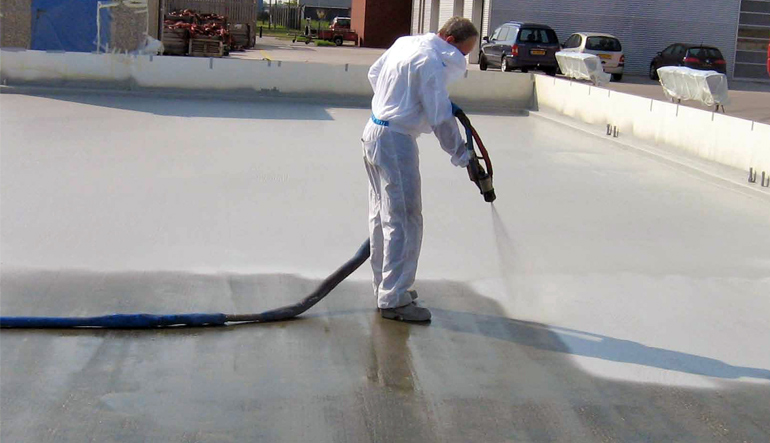
It is a liquid applied membrane that cures into a seamless protective layer on top of an existing roof system. The main goals are:
Protect the roof from UV and weathering
Improve waterproofing performance at the surface
Restore reflectivity for cool roof benefits
Extend the service life of the existing system when it is still structurally sound
The Department of Energy describes cool roof coatings as one of the retrofit paths to make an existing roof more reflective, assuming the roof type is suitable for coating.
So that word suitable is the dealbreaker.
When a coating spray system is a smart move
A coating is usually a strong option when the roof is in this zone:
The roof is generally dry, not saturated
The insulation is not failing across large sections
Leaks are limited and fixable at known details
The roof has good structure and no widespread deck rot
The goal is to extend service life and improve heat performance
You want a restoration approach that can be less disruptive than tear off
You can think of it like painting a house. Paint works when the siding is still solid. Paint does not fix rotten wood.
When a coating is usually the wrong move
This is where people waste money.
A coating is usually the wrong call when:
There is widespread wet insulation
The roof has recurring leaks in multiple zones and the source is unclear
The roof has major structural issues
Drainage is poor and ponding water is severe
You are trying to coat over a roof that is already failing as a system
Coatings can handle a lot, but they are not a magic layer that fixes everything underneath.
Silicone vs acrylic in real terms
Most property managers end up comparing silicone and acrylic because they are common, reflective, and widely available.
Here is the simple breakdown.
Acrylic roof coatings
Acrylic coatings are often water based and can be a solid choice on roofs with good drainage and predictable conditions. They are popular because they can be more budget friendly and easier to work with in certain situations.
The downside is that acrylic coatings are generally not the best choice for roofs that have frequent ponding water, because standing water can degrade performance over time.
Silicone roof coatings
Silicone coatings are known for strong resistance to UV exposure and ponding water. They tend to be a go to choice when you know the roof has areas where water sits, or where you want extra confidence in waterproofing performance.
Industry comparisons often point out that silicone performs better in ponding prone conditions, while acrylic is usually better suited for roofs with good drainage.
The Gardena reality check
Gardena gets dry stretches, then rain events that can reveal drainage issues quickly. If you already know ponding happens and you cannot fully correct drainage right away, that often pushes the conversation toward silicone.
If drainage is clean, slopes are right, and you want a cost sensitive restoration, acrylic can still be a smart option.
Cool roof documentation and why you should care
Even if you are not personally doing energy calculations, cool roof documentation matters for permits, inspectors, and building compliance.
California commonly relies on CRRC ratings to document solar reflectance and thermal emittance values, and CRRC explains that products are tested and listed with initial and aged ratings, with aged testing based on multi year outdoor weathering.
CRRC also publishes California Title 24 guidance that outlines minimum aged solar reflectance and thermal emittance or SRI targets for low sloped and steep sloped roofs in many climate zones.
That matters because coatings are often selected specifically to restore reflectivity. If you want to claim cool roof performance, you want the product to be rated and you want the documentation ready.
The easiest rule is this:
Do not assume the coating is compliant because it is white.
Verify the exact product in the CRRC directory and keep the listing in the job file.
What to inspect before you commit to coating
If you want to avoid regret, walk the roof with this checklist before you order materials.
1. Ponding water patterns
After a rain, look for water that remains after a reasonable dryout period. If water is sitting in the same locations every time, that is a drainage story you need to address.
This does not automatically kill a coating project, but it changes the system choice and the prep scope.
2. Seams, penetrations, and edges
Most leaks start at details, not in the middle of the field.
Check:
Pipe penetrations
HVAC curbs and rooftop equipment
Parapet terminations
Drains and scuppers
Edge metal
If the building has leak history, fix those areas first. This is where Roof Leak Repair materials and accessories matter because the coating is not supposed to be the first line of defense at failed flashing details.
3. Substrate condition
Coatings need a compatible surface and proper prep. If the substrate is not stable, the coating will not perform the way it should.
4. Moisture issues
If the roof is saturated, coating over it is usually a mistake. You want a roof evaluation that looks beyond the surface.
The prep work that decides whether the coating lasts
This part is boring, but it is everything.
Most coating failures are not because the coating chemistry was bad. They are because the roof was not cleaned, dried, and prepped correctly.
A solid prep plan usually includes:
Cleaning the roof surface thoroughly
Addressing wet areas and making repairs first
Reinforcing seams and details where required
Using primers when the system calls for it
Applying the coating at the correct thickness and coverage rate
If you want to explain the cool roof why to a building owner, the Department of Energy notes that conventional roofs can reach very high temperatures on sunny days and that reflective roofs can stay much cooler, reducing heat flow into the building.
That is a benefit, but only if the coating is applied correctly.
A practical materials list for a Gardena coating project
Your exact list will depend on the roof type and coating system, but most jobs need the same categories.
Coating product itself and enough quantity for required thickness
Primer if required
Reinforcing fabric or seam tape as specified
Detail materials for penetrations and terminations
Compatible sealants
Repair materials for existing roof issues
Walk pads or protection if the roof gets frequent traffic
Tools and safety accessories
For many projects, you will also need general supplies like plywood, fasteners, or blocking if repairs uncover deck issues. That is where Construction Materials fits naturally into the order.
Delivery planning that prevents job delays
Coating jobs get delayed for one predictable reason.
Someone forgets the small stuff.
The crew arrives ready to spray and realizes they are missing termination bars, compatible sealant, reinforcement fabric, or drain detail accessories. Now the whole day is wasted.
If you want a smooth job, order like a kit:
Field coating
Seam reinforcement materials
Detail accessories
Repair materials
Safety and protection items
Any construction basics needed for repairs
Then schedule Roofing Material Delivery so materials land where the crew needs them, when they need them. If you are coordinating a larger drop or staging multiple categories, the Deliveries page is a natural internal link to include as well.
Safety note you should not skip
Even if you are not doing the work yourself, it is worth stating the obvious.
Roof work is high risk work. OSHA publishes guidance focused on fall protection in residential construction, including roofing activities, because falls are a major cause of serious injury.
For commercial jobs, the principle is the same. Plan access, keep workers protected, and do not treat roof work like casual weekend maintenance.
Bottom line
In Gardena, a coating spray system can be an excellent way to restore a low slope roof, improve reflectivity, and extend service life, as long as the roof is a good candidate.
Silicone is often the stronger choice when ponding water is part of the roof’s reality. Acrylic can be a great fit when drainage is clean and you want a cost sensitive restoration approach.
Either way, the coating only performs as well as the prep and the detailing.
If you want help building a complete materials list, confirming cool roof documentation, and planning delivery so the job runs smoothly, use Contact and we can point you toward the right products for your roof type and scope.
Share:
Recent Posts
Photo Gallery


Related Posts
Architectural Shingles vs 3 Tab Shingles in Escondido CA
If you live and work in Southern California long enough, you start to notice something…
Solar Roof Prep in Gardena CA: What to Fix First
If you live and work in Southern California long enough, you start to notice something…
Cool Roof Requirements in Gardena CA Title 24 Guide
If you live and work in Southern California long enough, you start to notice something…
Get in Touch with Our Roofing Experts Today
Lorem ipsum dolor sit amet, consectetur adipiscing elit. Ut elit tellus, luctus nec ullamcorper mattis, pulvinar dapibus leo.
Whether you’re a homeowner or a contractor, Roof Supply Company delivers dependable, top-grade roofing materials across Gardena and surrounding areas.
Services
Contact Info
- (213) 596-8052
- 15934 S. Figueroa St. Gardena, CA, 92048
- Mon - Fri : 6.00 AM - 4.00 PM
- Sat : 7.00 AM - 11.00 AM
- Sun : Closed
Copyright ©2026 The Roof Supply Company. All Rights Reserved.