Cool Roof Requirements in Gardena and the South Bay: What Homeowners Should Know Before Replacing a Roof
- Home
- Cool Roof Requirements in Gardena and the South Bay
If you are planning a roof replacement in Gardena, cool roof requirements can feel like one more thing on an already full list.
You are probably thinking about color, materials, cost, timing, and whether the roof will hold up through heat, rain, and everyday wear. Then someone brings up Title 24, CRRC ratings, reflectance, emittance, climate zones, and product labels.
It can feel like a lot.
The good news is that most of this becomes much easier once you understand the basics. Cool roof rules are not meant to make your project harder. They are meant to help roofing materials reflect more heat, reduce heat absorption, and support better energy performance in California buildings.
For Gardena homeowners, contractors, and property managers, the goal is simple. Choose the right roofing material, make sure the product is properly rated when compliance applies, and keep your paperwork clean before the job starts.
If you are gathering supplies, the most useful internal pages for this topic are Roofing Materials, Roofing Shingles, Roof Leak Repair, Roofing Material Delivery, Deliveries, and Contact.
Why cool roof requirements matter in Gardena
Gardena sits in the South Bay, but it is not exactly the same as being right on the coast. You still get warm days, direct sun, and roof surfaces that can heat up fast. You also get marine layer mornings and seasonal rain that make the full roof system matter, not just the material you see from the street.
Energy Code Ace lists Gardena ZIP codes 90247, 90248, and 90249 in Los Angeles County as California Climate Zone 8.
That matters because California cool roof requirements can vary based on climate zone, roof slope, building type, and project scope. The Cool Roof Rating Council explains that the 2025 Title 24, Part 6 Energy Code applies to roofing materials used in new construction and reroofing projects, and that requirements vary by climate zone, building type, roof square footage, and whether the roof is low slope or steep slope.
In plain English, Gardena roof projects should not pick materials by looks alone. The product rating can matter too.
What a cool roof actually means
A cool roof is a roof that reflects more sunlight and releases absorbed heat better than a standard dark roof.
You will usually hear three terms:
- Solar reflectance
This tells you how much sunlight the roof reflects. - Thermal emittance
This tells you how well the roof releases heat. - SRI
This stands for Solar Reflectance Index. It combines reflectance and emittance into one number.
You do not need to memorize the science. You just need to know this.
A roof that reflects more heat can help reduce how much heat the building absorbs. That is why cool roof products matter in California, especially when a project triggers energy code requirements.
The CRRC rating is the part you do not want to guess on
This is where people make mistakes.
A product might be marketed as cool, energy efficient, reflective, or light colored. That does not automatically mean it satisfies the requirement for your project.
The CRRC explains that any roofing product used for compliance must be rated by the CRRC, and that the CRRC Rated Roof Products Directory lists actively rated products.
That means you want to verify the exact product and color before you order.
Not just the brand.
Not just the product line.
The exact product and color.
This matters a lot with shingles, tile, coatings, and metal finishes because different colors can have different ratings.
Low slope versus steep slope roofs
Cool roof requirements often split roofs into two basic categories.
Low slope roofs are common on commercial buildings, warehouses, flat roof sections, apartments, and some additions.
Steep slope roofs are common on homes with shingles, tile, or metal panels.
The 2025 Title 24 guidance summarized by CRRC includes cool roof thresholds for low slope and steep slope roofs. For low slope roofs in Climate Zones 2, 4, and 6 through 15, the summary lists minimum aged solar reflectance of 0.63 and thermal emittance of 0.75, or SRI 75. For steep slope roofs in Climate Zones 4 and 8 through 15, the summary lists minimum aged solar reflectance of 0.20 and thermal emittance of 0.75, or SRI 16.
Since Gardena is Climate Zone 8, that steep slope language is especially relevant for many residential reroof projects. Still, the right answer depends on the exact project type and scope, so the safest move is to confirm with the City or the project professional before ordering.
When cool roof rules usually come up
Cool roof rules can come up during:
- Full roof replacement
- Large reroof projects
- Roof recover projects
- Commercial low slope roof work
- Multifamily roof alterations
- Some coating projects
- Some new construction and addition work
A small repair is usually a different conversation than a full reroof. Replacing a pipe boot or fixing one leak area is not the same as replacing a large roof section. But once the project becomes a bigger alteration, energy code compliance may need to be part of the plan.
The City of Gardena explains that building related construction or installation requires applications and plans to be submitted and reviewed for compliance with zoning regulations, current building code, and other regulations.
So if your roof project is more than a minor repair, do not wait until materials are already on site to ask permit questions.
What homeowners usually get wrong
Most homeowners do not get tripped up because they ignore the code. They get tripped up because they assume the product will qualify.
Here are the most common mistakes:
- Picking a color before checking the rating
A shingle color might look light enough, but the rating still needs to be verified. - Assuming every white coating qualifies
White does not automatically mean compliant. The product still needs the right documentation. - Forgetting that slope matters
Low slope and steep slope roofs can have different requirements. - Ordering without the CRRC information
If the inspector asks for documentation, you do not want to be searching for it after the roof is already installed. - Treating the roof surface as the whole system
A compliant surface still needs proper underlayment, flashing, ventilation, and accessories.
Shingles in Gardena
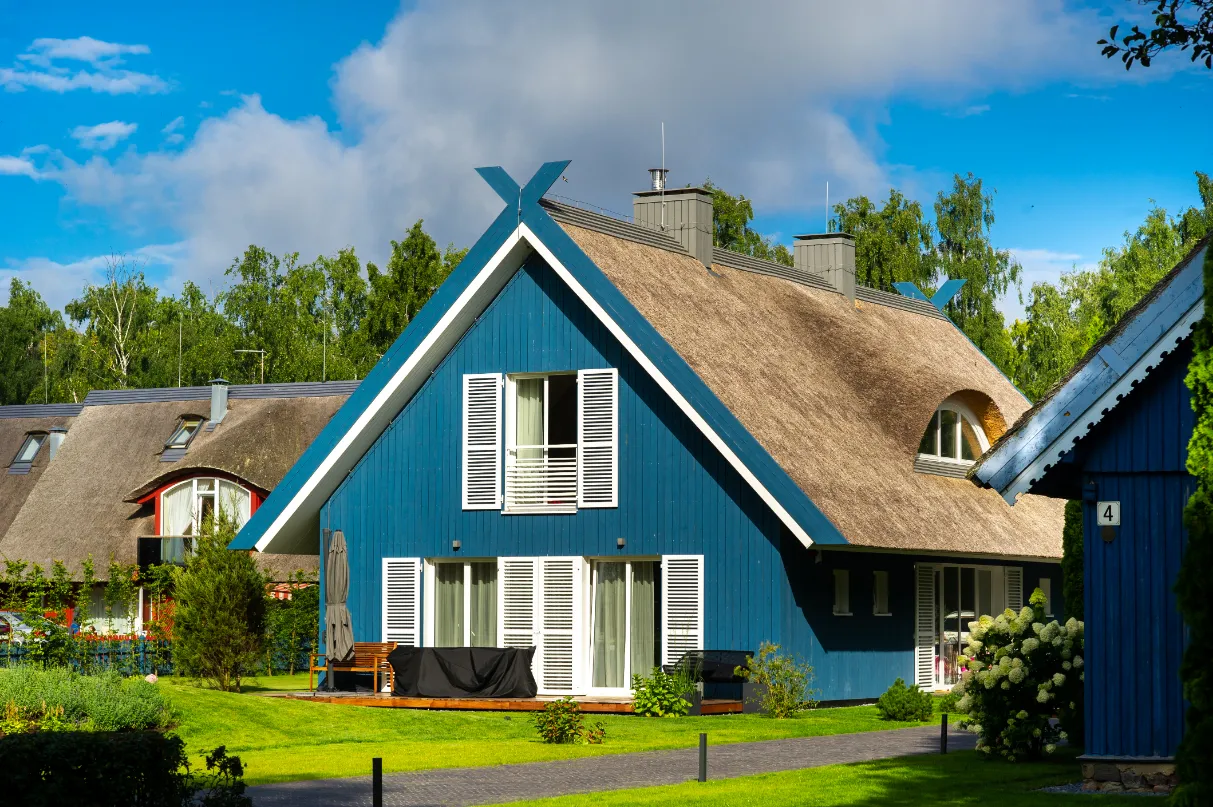
For many homes in Gardena, shingles are the most practical option. They are familiar, widely available, and usually easier to plan than more complex systems.
But if cool roof compliance applies, you want to check the exact shingle product and color in the CRRC directory before committing.
A smart shingle order should include:
- Field shingles
- Starter
- Ridge cap
- Underlayment
- Vents
- Pipe boots
- Flashing
- Compatible fasteners and sealants
This is where Roofing Shingles and Roofing Materials should be linked inside the blog.
Tile roofing in Gardena
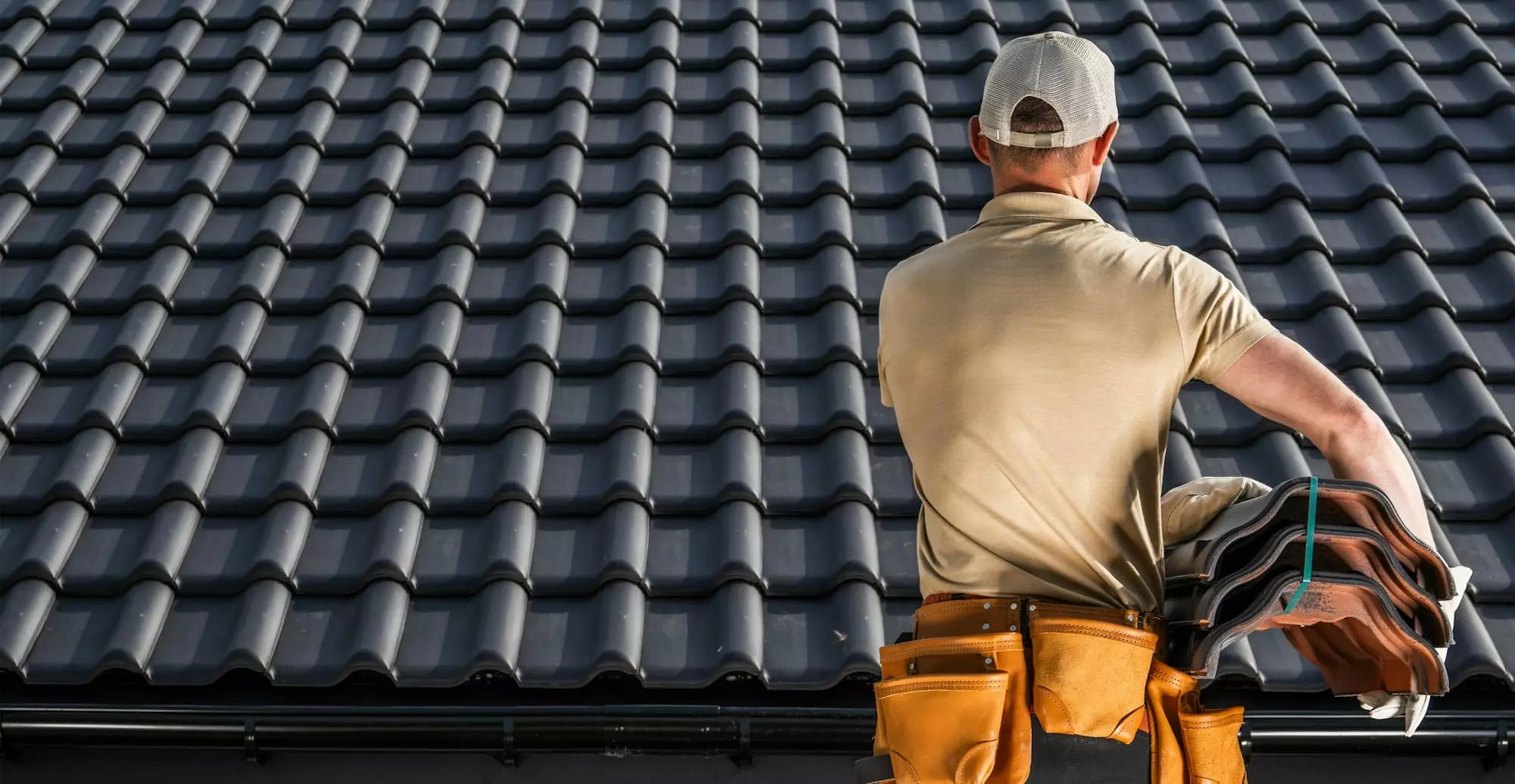
Tile has that classic Southern California look, and it can be a strong long term roofing option when the full system is built correctly.
The important thing to remember is this:
Tile is not the waterproofing layer. The underlayment is.
If cool roof requirements apply, you still need to verify the rating of the tile product and finish. You also need the right underlayment, flashing, fasteners, and edge details so the roof does more than look good.
Tile projects can go sideways when someone focuses only on the tile and forgets what is underneath.
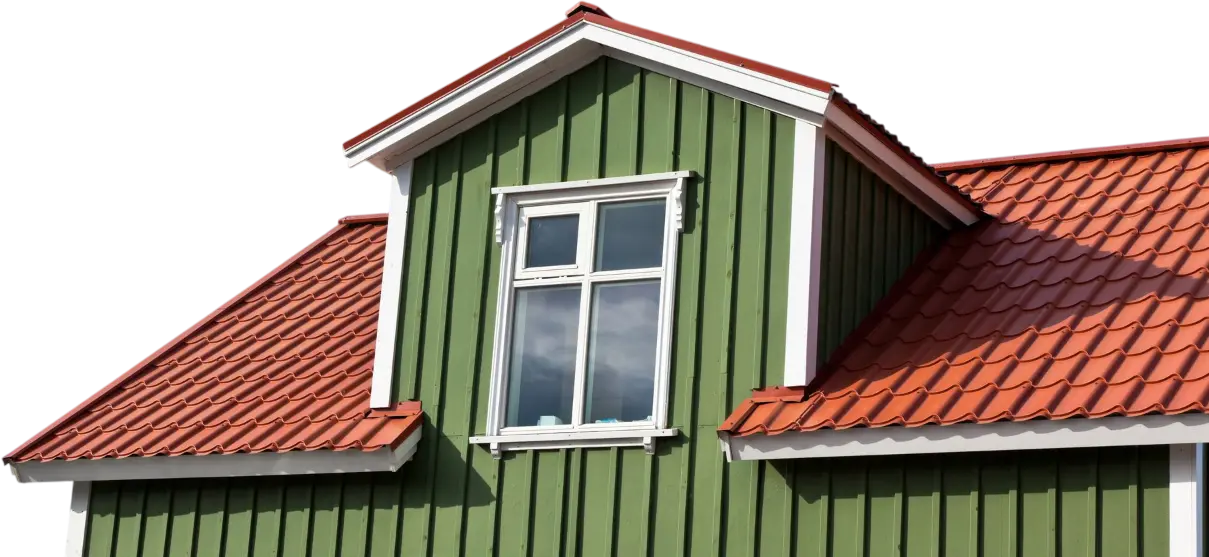
Metal roofing in Gardena
Metal can be a strong choice for some Gardena homes and commercial buildings, especially when the finish is selected carefully and the details are handled correctly.
With metal, pay close attention to:
- Finish rating
- Fastener compatibility
- Flashing details
- Underlayment
- Ventilation
- Coastal air considerations in the South Bay area
A metal roof can perform very well, but it still needs to be treated as a complete system.
Commercial low slope roofs and coatings
For Gardena commercial buildings, cool roof conversations often involve TPO, PVC, or roof coatings.
These systems are common because many low slope commercial roofs benefit from reflective surfaces. But again, the product needs to be properly rated if it is being used for compliance.
A coating can make sense when the existing roof is still a good candidate for restoration. It is not a magic fix for wet insulation, major deck issues, or a failing roof system.
Before choosing a coating, check:
- Is the roof dry enough to coat
- Are seams and penetrations repaired first
- Is ponding water a concern
- Is the exact coating CRRC rated
- Is the required coverage rate planned correctly
For this section, the internal links should point to Roofing Materials, Roof Leak Repair, and Roofing Material Delivery.
The documents to keep before inspection
The easiest way to avoid stress is to keep a small project file.
Save:
- Product name
- Manufacturer
- Color
- CRRC product information
- Product label or data sheet
- Purchase documents
- Permit documents if required
- Contractor information
The CRRC directory exists to help verify actively rated products, and that is the place to check before relying on a product for cool roof compliance.
This does not need to be complicated. You just want everything in one place.
Delivery planning matters more than people think
A compliant product still does not help if the job stalls because the order is incomplete.
Roofing jobs get delayed when one small item is missing:
- Underlayment
- Drip edge
- Flashing
- Ridge pieces
- Vents
- Sealants
- Fasteners
- Repair materials for surprise deck issues
That is why ordering through a full materials plan is better than ordering the visible roof surface alone.
If you are staging a project in Gardena or the South Bay, Roofing Material Delivery and Deliveries are natural internal links. A good drop off plan keeps crews moving and prevents last minute runs for the small pieces.
A simple Gardena cool roof checklist
Use this before you order materials:
- Confirm the project scope
Is it a small repair, large alteration, reroof, coating, or replacement. - Confirm the roof slope
Is it low slope or steep slope. - Confirm the climate zone
Gardena ZIP codes are listed as Climate Zone 8. - Check the product rating
Use the CRRC directory for the exact product and color. - Keep the product paperwork
Save labels, data sheets, and purchase documentation. - Build the full roof system list
Do not forget underlayment, flashings, vents, sealants, and fasteners. - Check permit needs early
Gardena provides permit process information through its Building and Safety Division.
Quick FAQ
Do all Gardena roof replacements need cool roof products
Not every small repair is treated the same as a full reroof. Cool roof requirements depend on project scope, building type, climate zone, roof square footage, and roof slope.
Is Gardena Climate Zone 8
Yes. Energy Code Ace lists Gardena ZIP codes 90247, 90248, and 90249 as Climate Zone 8.
Does a white roof automatically meet code
No. A product used for compliance should be CRRC rated, and the exact product and color should be verified.
What if I am only fixing a roof leak
A small leak repair is different from a large alteration or full replacement. For simple repair planning, Roof Leak Repair is the best internal link to use.
What is the safest way to choose materials
Pick the roof type first, confirm slope and project scope, verify CRRC ratings where required, then build a complete materials list before scheduling delivery.
Quick close
Cool roof requirements in Gardena do not have to be confusing. The real key is slowing down before you order.
Confirm the scope. Confirm the slope. Check the exact product and color. Keep your CRRC information ready. Then order the full roof system, not just the surface material.
If you want help building a clean list for a Gardena reroof, start with Roofing Materials and Roofing Shingles for the main system, use Roof Leak Repair if the project started with water intrusion, and schedule Roofing Material Delivery when you are ready to stage everything cleanly. For project questions, link to Contact so homeowners and contractors can get help before materials are ordered.
Share:
Recent Posts
Photo Gallery
Related Posts
Architectural Shingles vs 3 Tab Shingles in Escondido CA
If you live and work in Southern California long enough, you start to notice something…
Solar Roof Prep in Gardena CA: What to Fix First
If you live and work in Southern California long enough, you start to notice something…
Cool Roof Requirements in Gardena CA Title 24 Guide
If you live and work in Southern California long enough, you start to notice something…
Get in Touch with Our Roofing Experts Today
Lorem ipsum dolor sit amet, consectetur adipiscing elit. Ut elit tellus, luctus nec ullamcorper mattis, pulvinar dapibus leo.
Whether you’re a homeowner or a contractor, Roof Supply Company delivers dependable, top-grade roofing materials across Gardena and surrounding areas.
Services
Contact Info
- (213) 596-8052
- 15934 S. Figueroa St. Gardena, CA, 92048
- Mon - Fri : 6.00 AM - 4.00 PM
- Sat : 7.00 AM - 11.00 AM
- Sun : Closed
Copyright ©2026 The Roof Supply Company. All Rights Reserved.